

* Gianni Sagratini
* Veronica Sirocchi
* Giovanni Caprioli
** Cinzia Cecchini
** Maria Magdalena Coman
** Alberto Cresci
* Filippo Maggi
* Fabrizio Papa
* Massimo Ricciutelli
* Sauro Vittori
The use of natural extracts, such as essential oils and their constituents, categorized as flavorings by the European Union (EU) and generally recognized as safe (GRAS) by the US Food and Drug Administration (FDA), represents an interesting approach in active packaging. Considerable results, especially from a biological point of view, have been carried out on the assessment of the antioxidant activity of many herbs and spices of Labiatae family such as rosemary (Rosmarinus officinalis), oregano (Origanum vulgare) and others incorporated in an active packaging film.
Introduction
The most investigated new preservation technologies for fresh food as meat are new packaging systems such as modified atmosphere packaging (MAP) and active packaging (AP), which use natural antimicrobials for biopreservation (Zhou et al., 2010). AP is the incorporation of specific compounds into packaging systems that interact with the contents environment to maintain or increase product quality and shelf life (Kerry et al., 2006). AP functions and technologies include moisture control, O2 scavengers or absorbers, CO2 controllers, odor controllers, antimicrobial and antioxidant agents, either natural or synthetic (Vermeiren et al., 2002). By preserving the important nutrients of fresh meat such as proteins, essential amino acids, vitamins of group B and others, AP technology can be useful for enhancing the intake of these nutrients too.
Natural extracts and essential oils of plants are extraordinary sources of bioactive molecules mixtures, having important antioxidant and antimicrobial actions. The use of natural extracts, such as essential oils and their constituents, categorized as flavorings by the European Union (EU) and generally recognized as safe (GRAS) by the US Food and Drug Administration (FDA), represents an interesting approach in AP. Considerable results, especially from a biological point of view, have been carried out on the assessment of the antioxidant activity of many herbs and spices of Labiatae family such as rosemary (Rosmarinus officinalis), oregano (Origanum vulgare) and others (Camo et al., 2008) incorporated in an active packaging film. Some authors have found that vacuum packaging provides the best results in the preservation of uncooked meat and others researchers have reported that MAP combined with a form of AP that uses essential oils (EOs) extends the shelf life of some fresh products, including meat (Karabagias, Badeka, & Kontominas, 2011). Beef has a short shelf life, ranging from 3 to 5 days when stored at 4°C. The greatest spoilage of refrigerated beef is due to Pseudomonas spp., Enterobacteriaceae, and Brochothrix thermosphacta, which produce undesirable organoleptic changes, offflavours, discolouration, gas production and alteration in pH.
The inhibition of growth of some biogenic amines (BAs) in Turkish Sucuk by the action of the extracts of Salvia officinalis L. and R. officinalis L. was reported (Karabacak & Bozkurt, 2008). The reduced production of putrescine in Turkish dry-fermented sausage, by the action of Green tea extract and Thymbra spicata oil, was reported too. To date, no reports were published about the inhibitory action that natural extracts, incorporated in an AP system, have on the growth of BAs in fresh meat. Normally, depending on the kind of food, three indices relative to BAs were considered:
(a) Biogenic Amine Index (BAI) that is the sum (mg kg-1) of putrescine, cadaverine, histamine and tyramine, (b) the ratio between the content of spermidine and spermine (SPD/SPM), (c) the total content of the monitored BAs.
Due to their low volatility and the lack of chromophores, BAs in food are mostly analyzed by liquid chromatography (LC) with pre- and post-column derivatization and UV-visible or fluorescence detection, or by using liquid chromatography-mass spectrometry system (LC-MS) without derivatization step (Sagratini et al., 2012). The aim of this work was to set up a new AP for fresh meat that, incorporating essential oils of R. officinalis, inhibits the increase of BAs and the bacteria (Enterobacteriaceae, Pseudomonas etc.) involved into their production. Moreover, the antioxidant action of new AP system was tested by monitoring hexanal as marker of lipidic oxidation of fresh meat. Moreover, the essential oil of Rosmarinus officinalis L., was also used in combination with MAP for studying its ability to extend the shelf life of fresh meat.
Packaging samples
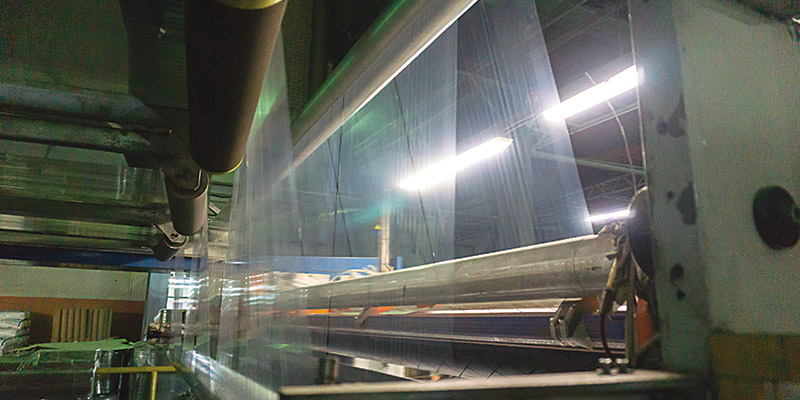
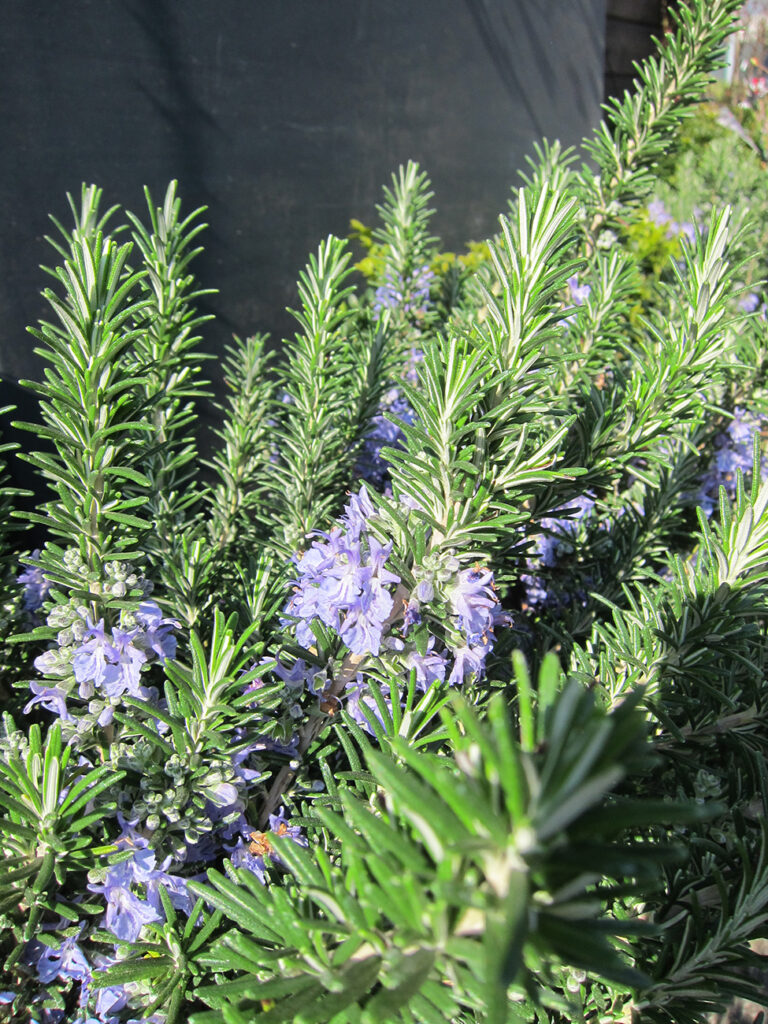
The AP used in this study was realized by spraying essential oils on the internal surface of the packaging samples kindly provided by ESSEOQUATTRO s.p.a. industry (Carmignano di Brenta, Italy) and protected by European Patent EP 1584464 A1. The base packaging was a sheet comprising a first layer made of paper coupled to a second layer made of high density (HD) polyethylene (PE) with a third metallic layer fixed between them (Figure 1). Essential oil of Rosmarinus officinalis L. was obtained directly from aerial part of the plant by hydrodistillation process using a Clevenger apparatus. Afterwards, the obtained essential oil was diluted with ethanol (30% essential oil/70% ethanol) and then sprayed on the internal surface of packaging (polyethylene layer) at different concentrations ranging from 0.1% to 4% w/w. Meat samples (chicken), purchased from a local butcher’s shop of Camerino community, were bought and immediately brought into the laboratory. Each slice of meat was wrapped in AP and in PP, and stored in refrigerator at 4 °C. The chemical and microbiological analysis were realized at day 0, 2, 4 and 7 by opening each day a different and whole packaging containing the slices of meat.
Results and discussions
In this study, eight BAs (the most common and analyzed) were monitored in meat samples: tryptamine, 2-phenylethylamine, putrescine, cadaverine, histamine, tyramine, spermidine, spermine. BAs were analyzed by a SPE-HPLC-DAD method that uses the derivatization process with dansyl chloride and internal standard (1,7-diaminoheptane). Figure 1(A) shows an overlapping of two chromatograms referred to a chicken meat sample analyzed at day 0 and to a BAs mix standard at concentration of 5mg l-1. As it is possible to observe, from a chromatographic point of view, the analytes (BAs peaks 1–9) were perfectly separated and this permits to perform a good quantification at low level of concentration of BAs. The insertion in the analytical method of a SPE C18 purification step was fundamental to remove interfering polar analytes and to obtain cleaner extracts that gave good HPLC-DAD chromatograms (Sirocchi et al., 2013).
Figure 1(B) reports an overlapping of two chromatograms referred to a sample meat wrapped in AP and to another wrapped in PP packaging, both analyzed at day 2. It is possible to observe that the chromatographic profile of both samples is similar, but the meat wrapped in AP shows a content of BAs lower than that packed in PP. In particular, this fact is evident for cadaverine (peak 4), histamine (peak 5) and tyramine (peak 7). The performances of the new active packaging system, enriched with essential oils of Rosmarinus officinalis L. at 4% w/w, were tested by monitoring its capacity to inhibit the growth of BAs in meat during time, and increasing in this way the shelf life of wrapped food.
Figure 2 reports the shelf life study of chicken meat packed in AP in comparison with chicken meat packed in a classic PP, taking into account the three BAs indices described above. BAI and total BAs indices were significant in each monitored day (t50.01), while the ratio SPD/SPM index was significant (t50.05) in each monitored day except day 2 (Figure 2). Concerning BAI index (Figure 2A), in each monitored day the sum of putrescine, cadaverine, histamine and tyramine espressed in mg kg-1 is lower in meat wrapped in AP with respect to that packed in PP. In particular, the differences in limiting the increase of BAIs in favor of AP ranged from 19% (at day 7) to 62% (at day 2). Concerning SPD/SPM index (Figure 2B), after 2 days there is slight decrease for both AP and PP meats, but in each monitored day this index is lower for AP meat with respect to PP meat. The ratio SPD/SPM could be considered one of the most important index for evaluating the quality of meat, especially for chicken meat. It is well known that different microorganisms have the ability to produce different amounts of specific BAs (Shalaby, 1996); in this way, the level and the type of BAs are influenced by the specific bacteria flora that lives in food, influencing the BAs quality indices as BAI. Instead, the levels of polyamines (spermine and spermidine) are affected by microbial growth, but are independent of the type of flora (Hernandez-Jover et al., 1997). Taking into account the total content of the analyzed BAs (Figure 2C), the inhibitory action of AP enriched with essential oil of R. officinalis at 4% w/w on the growth of BAs is confirmed. In fact, in each monitored day, the total content of BAs is lower in meat wrapped in AP with respect to that packed in PP, where the differences ranged from 14% (day 7) to 36% (day 2).
BAs are produced in food by various mechanisms, but one of the most important is the decarboxylation via decarboxylase enzymes contained in some specific bacteria. Literature reports that Enterobacteriaceae and Pseudomonas spp. in meat produce cadaverine and putrescine, respectively (Ruiz-Capillas & Jimenez-Colmenero, 2004; Shalaby, 1996) and Brochotrix thermosphacta in pork meat produces cadaverine. Enterobacteriaceae were involved in the production of tyramine (Ruiz-Capillas & Jimenez-Colmenero, 2004).
In this work two selected bacterial species, i.e. Pseudomonas spp. and Brochotrix thermosphacta, Enterobacteriaceae and mesophilic bacteria in meat samples (chicken) packed in AP, enriched with essential oils of Rosmarinus officinalis L. at 4% w/w, and in PP were studied. Results of microbiological study are reported in Table 1. Significant differences were obtained for t50.05. As it is possible to observe, for mesophilic bacteria and Pseudomonas spp., in each monitored day the level of microorganisms in white meat (chicken) is lower in AP with respect to that packed in PP. Moreover, significant results were registered in each monitored day except for those of day 7 relative to Pseudomonas spp. The analysis of Brochotrix thermosphacta confirms the inhibitory action of AP on the bacterial growth in each monitored day. Positive results were obtained for Enterobacteriaceae too, especially at day 2, in which the level of bacteria is significantly lower in meat wrapped in AP with respect to that packed in PP.
Lipidic oxidation has long been recognized as a leading cause of quality deterioration in muscle foods and is often the decisive factor in determining food product storage life (Goodridge et al., 2003). Hexanal, one of the dominant volatile secondary products formed during the oxidation of linoleic acid, has become a popular indicator of lipidic oxidation in foods. The performances of the new active packaging system, enriched with essential oils of Rosmarinus officinalis L. (4% w/w) having an antioxidant action, were tested, by monitoring its capacity to inhibit the growth of hexanal in meat during time. The SPME-GC-MS developed method was tested both in red (bovine) and in white (chicken) meat wrapped in AP and in PP for the time storage (7 days) at 4 C. The PDMS/DVB fiber was choosen for this study after testing polydimethylsiloxane (PDMS) 100 mm and polyacrylate (PA) 85 mm fibers that gave lower results concerning sensitivity and reproducibility (data not shown). In each monitored day, the concentration of hexanal found in meat wrapped in AP was lower than that found in meat packed in PP. In particular, at day 2, the level of hexanal found in PP meat was the double of that found in AP meat (1857 versus 3634 mg kg-1). These data confirm that, both with the inhibitory action on the increase of BAs and their bacteria producers (antimicrobial action), there is an antioxidant action on fresh meat by the components of essential oil of R. officinalis incorporated in the AP. For this reason, the new formulated AP can enhance the shelf life of fresh meat.
Moreover, the microbiological results obtained by studying the meat wrapped in AP and NAP are calculated under aerobic conditions, vacuum-packed and high-O2. Under the same storage conditions, meat samples wrapped in AP showed better results compared to meat wrapped in NAP. Psychrotrophic bacteria values for fresh beef were between 4.5 and 4.8 log CFU/g, indicative of good quality (Soldatou, Nerantzakis, Kontominas, & Savvaidis, 2009). The value of 7 log CFU/g, considered as the upper microbiological limit for acceptable quality of food (ICMSF, 1986), was reached on days 5–6 for the samples wrapped in the AP and NAP under aerobic conditions, on day 7 for the sample wrapped in the NAP and vacuum-packed, on days 7–8 for the sample wrapped in the AP and vacuum-packed, on day 10 for the sample wrapped in the NAP in high-O2 conditions, and on day 15 for the sample wrapped in the AP in high-O2 conditions. Under aerobic storage conditions AP and NAP showed poor results. Microbial spoilage increased more in NAP system in comparison with AP, particularly at days 3 and 5 (P < 0.05). In fact, under aerobic storage conditions, psychrotrophic bacteria increased more quickly than in other storage conditions. During vacuum-packed storage, the best result was obtained for samples packaged in the AP system at day 5 (P < 0.01). Thus, the presence of essntial oil of Rosmarinus officinalis L. can reduce the psychrotrophic bacteria growth. The high-O2 concentration in combination with REO showed the best inhibition of psychrotrophic bacteria in beef, extending the shelf life of meat until day 15. In fact, the shelf life of meat packaged in AP was prolonged 4–5 days in comparison with meat wrapped in NAP.
Conclusions
In this work, a new active packaging (AP) system for meat, formulated with essential oil of R. officinalis that inhibits the growth of BAs during the storage time, was developed. The analysis of BAs through a SPE-HPLC-DAD method and microbiological analysis monitoring specific bacteria producers of BAs as Enterobacteriaceae, Pseudomonas spp. and Brochotrix thermospacta, have demonstrated that there is a good correlation between the inhibition of growth of BAs and of bacteria producers. The antibacterial and anti-BAs action was due to the biological action of volatile components of R. officinalis entracte by hydrodistillation from plant. Moreover, by analyzing texana through SPME-GC-MS procedure as a marker of lipidic oxidation of fresh meat, the antioxidant action of new APs was assessed. The results obtained with this study, both from chemical and microbiological point of view, lead us to conclude that these new APs contribute to inhibit the growth of BAs and bacteria producers already after 2 days of storage, increasing in this way the shelf life of fresh meat.
Concerning the study realized by using MAP and essential oil of Rosmarinus officinalis L., the microbiological analysis of the meat showed that the counts of Psychrophilic, Brochothrix thermosphacta, Enterobacteriaceae and Pseudomonas spp. bacteria were lower in AP meat than in NAP meat, especially in high-O2 conditions. Packaging with essential oil of Rosmarinus officinalis L and high-O2 conditions proved to be the best form for prolonging the shelf life of beef, extending it until day 15. Moreover, the use of essential oil of Rosmarinus officinalis L in combination with different atmosphere conditions also had a positive influence on the colour parameters, in particular the redness.
* UNIVERSITY OF CAMERINO, School of Pharmacy
** UNIVERSITY OF CAMERINO, School of Biosciences and Biotechnologies,
References
Camo J, Beltran JA, Roncales P. 2008. Extension of the display life of lamb with an antioxidant active packaging. Meat Sci 80:1086–1091.
Goodridge CF, Beaudry RM, Pestka JJ, Smith DM. 2003. Solid phase microextraction-gas chromatography for quantifying headspace texana above freeze dried chicken myofibrils. J Agr Food Chem 51: 4185–4190.
Hernandez-Jover T, Izquierdo-Pulido M, Veciana-Nogues MT, Marine- Font A, Vidal-Carou MC. 1997. Effect of starter cultures on biogenic amine formation during fermented sausage production. J Food Protect 60:825–830.
Karabacak S, Bozkurt H. 2008. The effect of Salvia officinalis L. and Rosmarinus officinalis L. on the ripening of sucuk. Fleischwirtschaft 88:103–108.
Karabagias, J., Badeka, A., & Kontominas, M. G. (2011). Shelf life extension of lamb meat using thyme or oregano essential oils and modified atmosphere packaging. Meat Science, 88, 109–116.
Kerry JP, O’Grady MN, Hogan SA. 2006. Past, current and potential utilization of active and intelligent packaging systems for meat and muscle-based products: a review. Meat Sci 74:113–130.
Ruiz-Capillas C, Jimenez-Colmenero F. 2004. Biogenic amines in meat and meat products. Crit Rev Food Sci 44:489–499.
Sagratini G, Fernandez-Franzon M, De Berardinis F, Font G, Vittori S, Manes J. 2012. Simultaneous determination of eight underivatized biogenic amines in fish by solid phase extraction and liquid chromatography-tandem mass spectrometry. Food Chem 132:537–543
Shalaby AR. 1996. Significance of biogenic amines to food safety and human health. Food Res Int 29:675–690.
Sirocchi, V., Caprioli, G., Cecchini, C., Coman, M. M., Cresci, A., Maggi, F., Papa, F., Riccutelli, M., Vittori, S., Sagratini, G. (2013). Biogenic amines as freshness index of meat wrapped in a new active packaging system formulated with essential oils of Rosmarinus officinalis. International Journal of Food Sciences & Nutrition, 64(8), 921–928.
Sirocchi, V., Devlieghere, F., Peelman, N., Sagratini, G., Maggi, F., Vittori, S., Ragaert, P. Effect of Rosmarinus officinalis L. essential oil combined with different packaging conditions to extend the shelf life of refrigerated beef meat, Food Chemistry, 2017, 221, 1069-1076
Soldatou, N., Nerantzakis, A., Kontominas, M. G., & Savvaidis, I. N. (2009). Physicochemical and microbiological changes of ‘‘Souvlaki” – A Greek delicacy lamb meat product: Evaluation of shelf life using microbial, colour and lipid oxidation parameters. Food Chemistry, 113, 36–42.
Vermeiren L, Devlieghere F, Debevere J. 2002. Effectiveness of some recent antimicrobial packaging concepts. Food Addit Contam 19: 163–171.
Zhou GH, Xu XL, Liu Y. 2010. Preservation technologies for fresh meat. A review. Meat Sci 86:119–128.
Natural 1